Serving the USA Call (833) 602-3525
Fenn Pest Control

Pest Control · the USA

Pest Control in the USA

Fenn Pest Control handles pest control work across the USA.

Pest Control in the USA
Coverage
the USAPlus New York, Chicago, Brooklyn, Houston, Queens, Manhattan

Targeted Inspection

Technicians begin with a close look at entry points, moisture sources, and harborage areas so the treatment matches what is actually present.

Integrated Methods

The approach combines monitoring, exclusion work, and product application rather than relying on a single tactic in cockroach extermination.

Follow-Up Records

Each visit is documented so future decisions can build on what has already been observed and addressed.

Services

What we handle in the USA

01 / 09

Rodent Control

Technicians document findings during each visit and adjust placements based on observed movement rather than following a fixed checklist. The focus remains on locating entry routes and reducing attractants that support ongoing activity, much like the approach used for spider control.

Get a quote

03 / 09

Bed Bug Extermination

Technicians record findings during the first walkthrough so later treatments can be adjusted if activity shifts. Products and heat are chosen after the inspection rather than applied on a preset schedule. Follow-up visits use the same maps so changes are easy to compare to cockroach extermination.

Get a quote
06 / 09

Spider Control

Technicians begin with a site inspection that identifies species and entry routes before any pest control product is chosen. Treatments and exclusion steps follow from those observations.

Get a quote
08 / 09

Silverfish Control

Inspections map humidity and food sources before any material is applied. Treatments combine targeted placement with practical advice on reducing the conditions that support activity, much like the approach at the home page.

Get a quote
09 / 09

Bee, Wasp, & Hornet Removal

We match methods to the type of insect and the structure involved rather than using one approach for every situation. The focus stays on locating the source and completing the work with as little disruption as possible.

Get a quote

When signs appear indoors

Homeowners usually notice small droppings along baseboards, faint trails on countertops, or a faint musty odor in corners. These clues show activity that has already started. A technician checks behind appliances, inside cabinets, and along utility lines where pests travel. Once the species is identified, the focus shifts to rodent control by removing food sources and sealing gaps that allow continued movement. This step-by-step look replaces guesswork with a clear picture of where the population is concentrated.

Outdoor assessment matters too

Many indoor problems start with conditions outside the structure. Overgrown vegetation touching siding, standing water near the foundation, and debris piles create pathways and shelter. Checking these areas shows whether the issue is limited to one room or extends across the property. Simple changes such as trimming plants and moving stored items often reduce the need for repeated visits. The goal is to understand the full route pests are using rather than treating only the most visible spot.

Our process

How the work is organized

The process begins with a conversation about what the owner has noticed, moves to an on-site inspection, and ends with a summary of actions taken and observations for the owner to watch.

The initial call gathers details about the type of building and the signs observed so the right equipment is brought.
The inspection checks both the reported area and adjacent spaces that could support the same activity.
Treatment and any exclusion steps are completed, followed by a written record left for the property owner.

How a visit unfolds

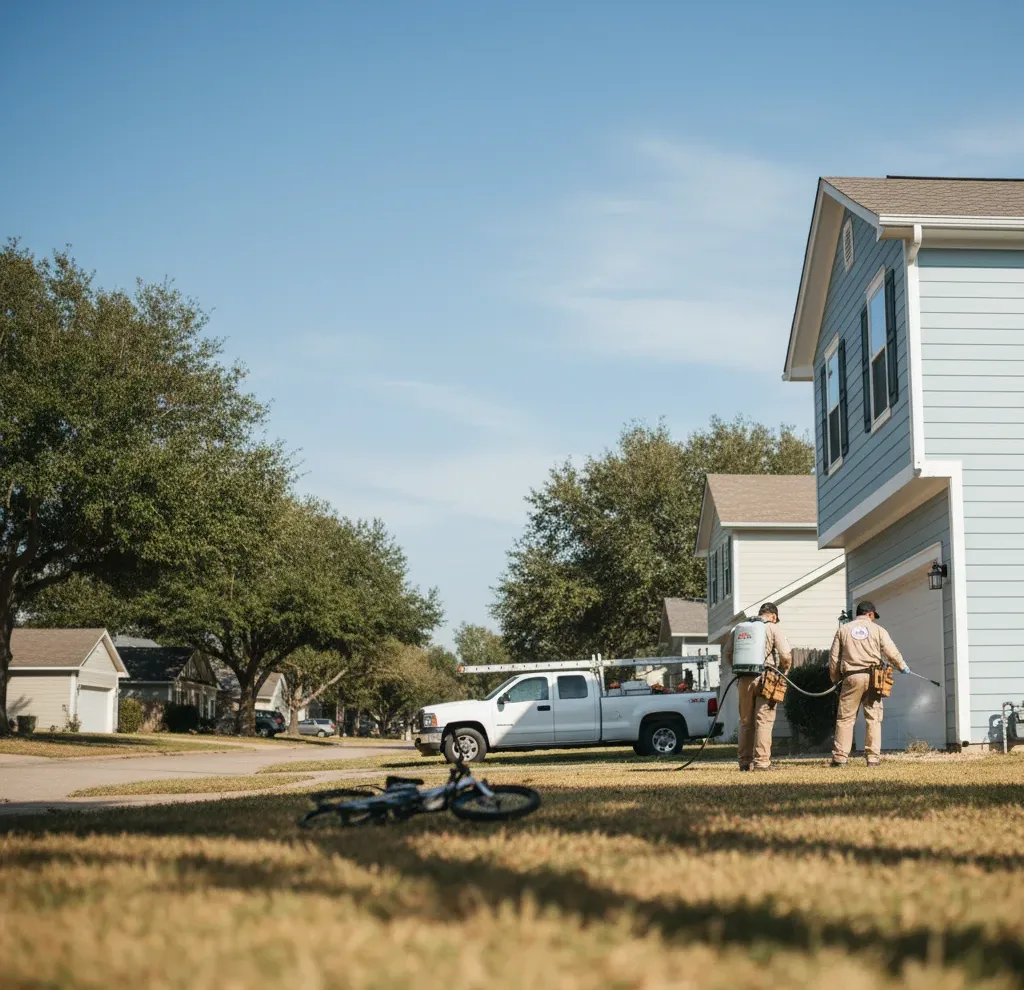
The first part of any service is a walkthrough that notes both the reported concern and any additional findings. Technicians record what they see on diagrams or notes so the property owner can review the same details later. Products are then applied only to the locations that match the evidence, and any exclusion work such as door sweeps or vent covers is discussed on site. A written summary is left behind that lists what was done and what the owner can check between visits.

Choosing the right approach

Different properties require different tools. A single-family home with a crawl space needs attention to under-floor access points, while a multi-unit building may call for shared-wall monitoring. The technician explains why one method fits better than another and what results to expect after the first ant control treatment. This conversation keeps the owner informed without promising outcomes that depend on factors outside the service call.

Pricing

What shapes the cost

The final amount depends on the size of the property, the extent of activity for bee, wasp, & hornet removal, and any additional exclusion work required. The figures below are starting points rather than quotes.

Residential inspection — starting at $185 Commercial walkthrough — starting at $275 Crawl space evaluation — starting at $145 Exclusion work — $95-$210 Follow-up visit — starting at $125 Maintenance plan (quarterly) — starting at $420 Rodent monitoring setup — starting at $165 Seasonal check — starting at $155

Commercial and rental properties

Business locations often face different pressures because of food storage, high foot traffic, and shared walls. Routine checks help keep activity from spreading between units or affecting inventory. The same principles apply to rental homes where turnover can reset conditions quickly. Documentation from each visit supports consistent records for property managers.

Seasonal patterns and prevention

Pest pressure changes with temperature and moisture. Early spring often brings increased movement as insects seek new shelter, while late summer can shift activity toward moisture sources. Homeowners can reduce entry by storing firewood away from the house and keeping gutters clear. These steps do not replace professional service but make the work more effective when a technician arrives.

FAQ

Common questions in the USA

Fenn Pest Control customer support in the USA
What changes the price from one property to another?

Larger structures, difficult access points, and the need for multiple product types all affect the total. The inspection identifies these factors before any work begins so the owner can decide how much to address at once.

Can I handle the first steps myself?

Removing food sources and clearing clutter reduces available shelter and can slow activity. However, locating the actual entry points and confirming the species usually requires tools and experience that are not part of a standard household routine.

How do I know whether the activity is limited to one area?

A technician walks the full interior and checks adjacent spaces that share walls or utility lines. Evidence such as droppings or rub marks often appears beyond the original report. Mapping these points shows whether the issue is contained or has spread.

Nearby

Other areas we cover

Coverage

Pest Control by state

Need pest control in the USA?

Pest Control across the USA. Call (833) 602-3525.

Call (833) 602-3525