Pest Control · the USA
We match methods to the type of insect and the structure involved rather than using one approach for every situation. The focus stays on locating the source and completing the work with as little disruption as possible.
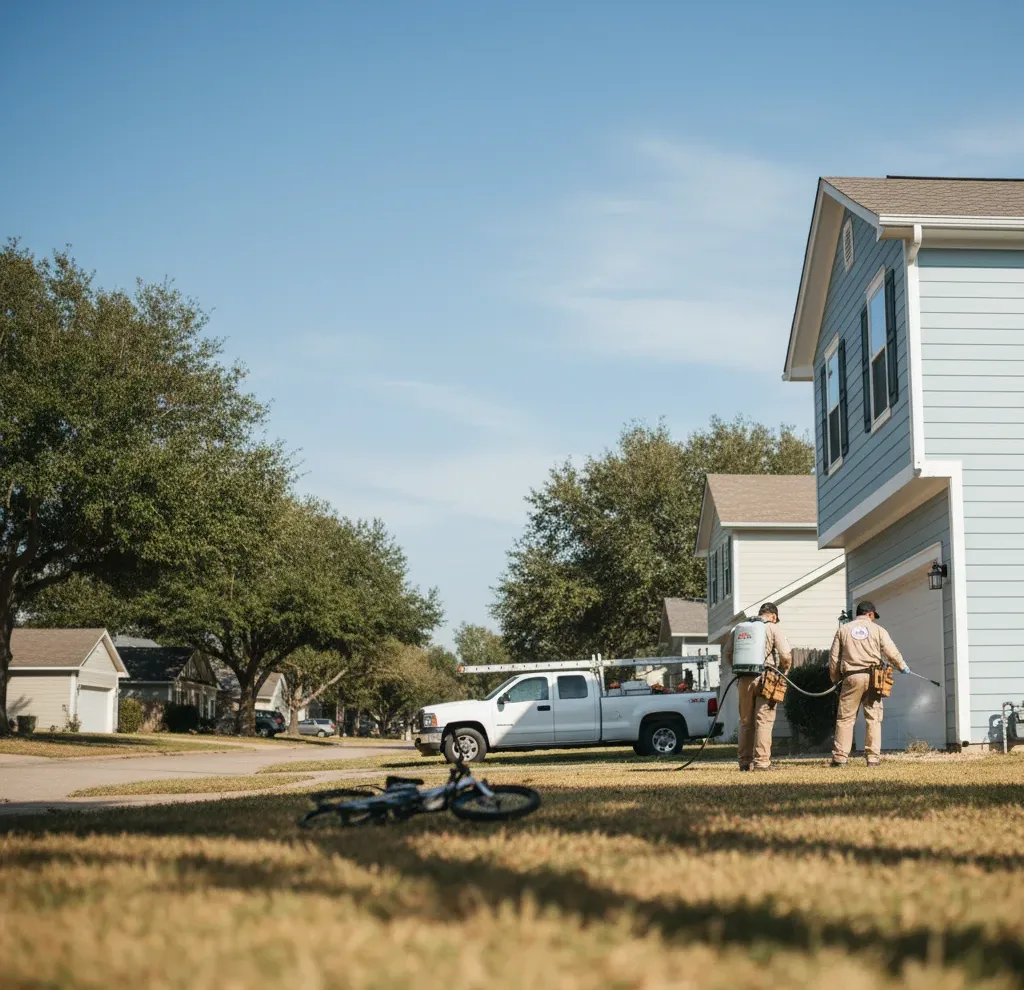
Homeowners often notice increased activity near rooflines, soffits, or ground holes before realizing a colony has moved in. We examine these common entry points and any visible paper-like structures or traffic patterns to determine whether the insects are using an existing cavity or building new. This inspection step reveals whether the nest sits inside a wall, under a deck, or in another protected spot that requires careful access.
Once the nest is found, we apply targeted materials that reach the colony while limiting spread. The process may involve opening a small access point, vacuuming active insects, and sealing the area once activity stops. We also check nearby voids that could serve as secondary sites so the same insects do not reappear in a different part of the structure.
FAQ

Larger structures, difficult access points, and the need for multiple product types all affect the total. The inspection identifies these factors before any work begins so the owner can decide how much to address at once.
Removing food sources and clearing clutter reduces available shelter and can slow activity. However, locating the actual entry points and confirming the species usually requires tools and experience that are not part of a standard household routine.
A technician walks the full interior and checks adjacent spaces that share walls or utility lines. Evidence such as droppings or rub marks often appears beyond the original report. Mapping these points shows whether the issue is contained or has spread.