Pest Control · the USA
Technicians begin with a site inspection that identifies species and entry routes before any pest control product is chosen. Treatments and exclusion steps follow from those observations.
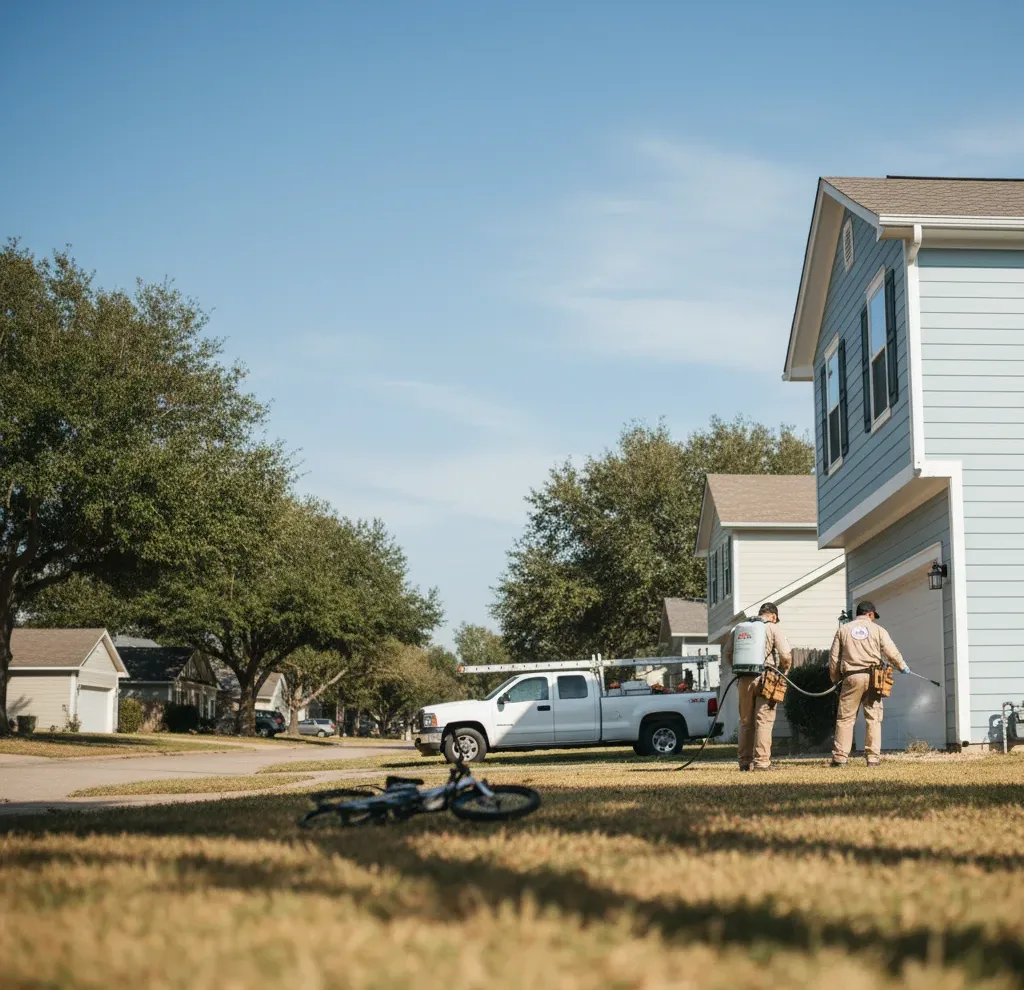
Many homeowners assume visible spiders result from poor housekeeping, yet the insects often arrive through small exterior openings regardless of interior cleanliness. Spiders follow prey such as ants drawn to lights or moisture, and they settle in quiet corners, behind appliances, or along baseboards where webs go unnoticed for weeks. A thorough inspection looks for these pathways and for egg sacs that vacuuming alone rarely reaches completely. Removing webs without addressing the source population leaves the next generation ready to replace the first. Property owners sometimes notice increased activity after seasonal weather changes because spiders seek shelter when temperatures drop. Checking window frames, door thresholds, and utility penetrations reveals the actual routes they use. Once those routes are identified, targeted exclusion work reduces new arrivals more effectively than repeated surface cleaning.
A single spider found indoors does not always indicate a larger problem, but repeated sightings in multiple rooms usually point to either an entry source or a breeding site. Homeowners can check for consistent web patterns in the same locations over several days. If webs reappear quickly in corners or under furniture, the issue likely extends beyond random wanderers. Certain species prefer damp areas near foundations, while others favor dry attics. Observing where activity concentrates helps narrow the cause before any treatment begins.
FAQ

Larger structures, difficult access points, and the need for multiple product types all affect the total. The inspection identifies these factors before any work begins so the owner can decide how much to address at once.
Removing food sources and clearing clutter reduces available shelter and can slow activity. However, locating the actual entry points and confirming the species usually requires tools and experience that are not part of a standard household routine.
A technician walks the full interior and checks adjacent spaces that share walls or utility lines. Evidence such as droppings or rub marks often appears beyond the original report. Mapping these points shows whether the issue is contained or has spread.