Pest Control · the USA
Technicians follow set procedures that start with species ID and trail mapping. Materials are picked to fit the site rather than using one standard product. Records from each visit guide any changes on return trips. The same approach supports termite inspection and treatment and spider control when those pests show up.
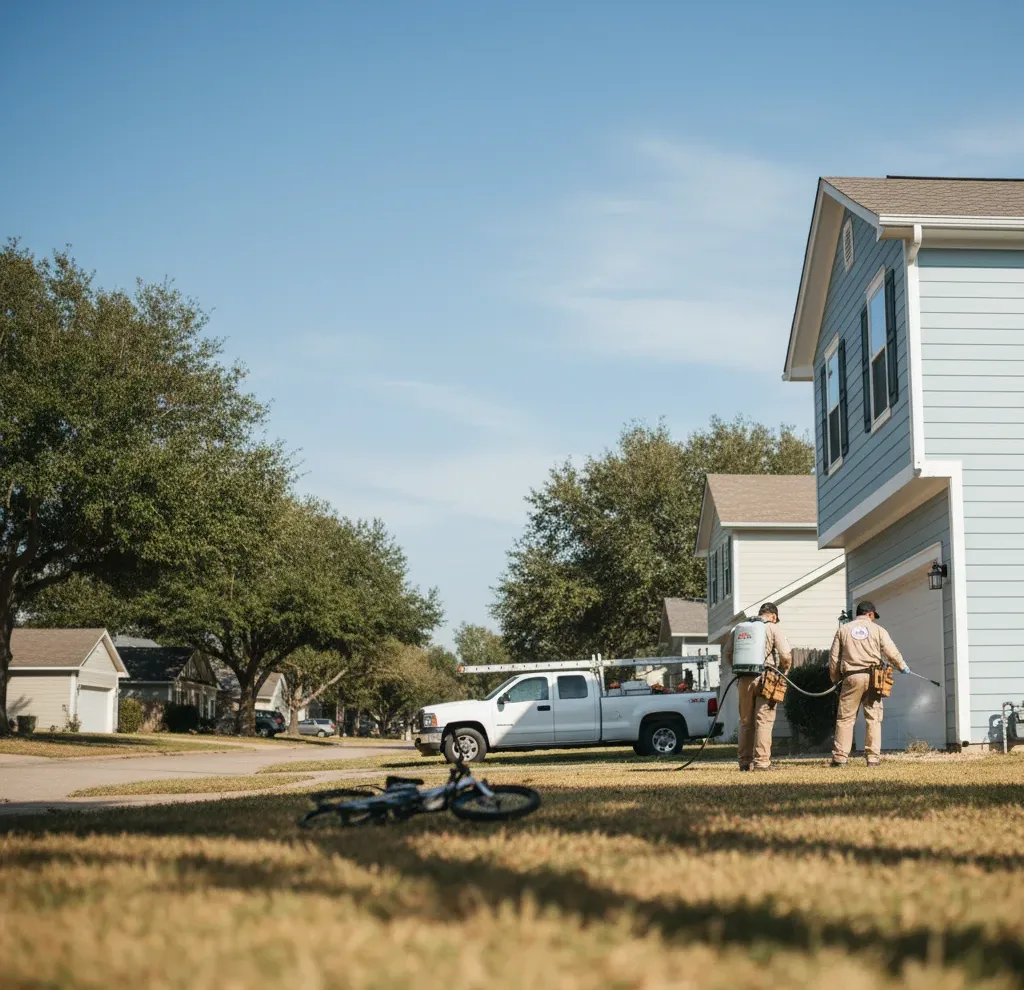
Ants find small gaps around foundations, utility lines, and window frames. Once inside they follow moisture or leftover food. A technician checks baseboards, under sinks, and exterior walls to trace the route back to the colony. Knowing whether the ants come from an outdoor nest or have set up indoors shapes where treatment goes. Bait stations sit along active trails so workers carry material to the main nest.
Different ants respond to different baits and methods. The technician takes samples and notes size, color, and whether the abdomen has one node or two. Pavement ants often nest under slabs while carpenter ants prefer moist wood. Getting the species right avoids repeat visits from the wrong product. Homeowners can note whether ants show up near kitchens, bathrooms, or exterior siding before the appointment. The same care applies when handling rodent control or cockroach extermination needs.
FAQ

Larger structures, difficult access points, and the need for multiple product types all affect the total. The inspection identifies these factors before any work begins so the owner can decide how much to address at once.
Removing food sources and clearing clutter reduces available shelter and can slow activity. However, locating the actual entry points and confirming the species usually requires tools and experience that are not part of a standard household routine.
A technician walks the full interior and checks adjacent spaces that share walls or utility lines. Evidence such as droppings or rub marks often appears beyond the original report. Mapping these points shows whether the issue is contained or has spread.