Pest Control · the USA
Technicians map water sources on each property and combine treatment with practical steps the owner can maintain, similar to bee, wasp, & hornet removal. This reduces reliance on repeated chemical use across the site.
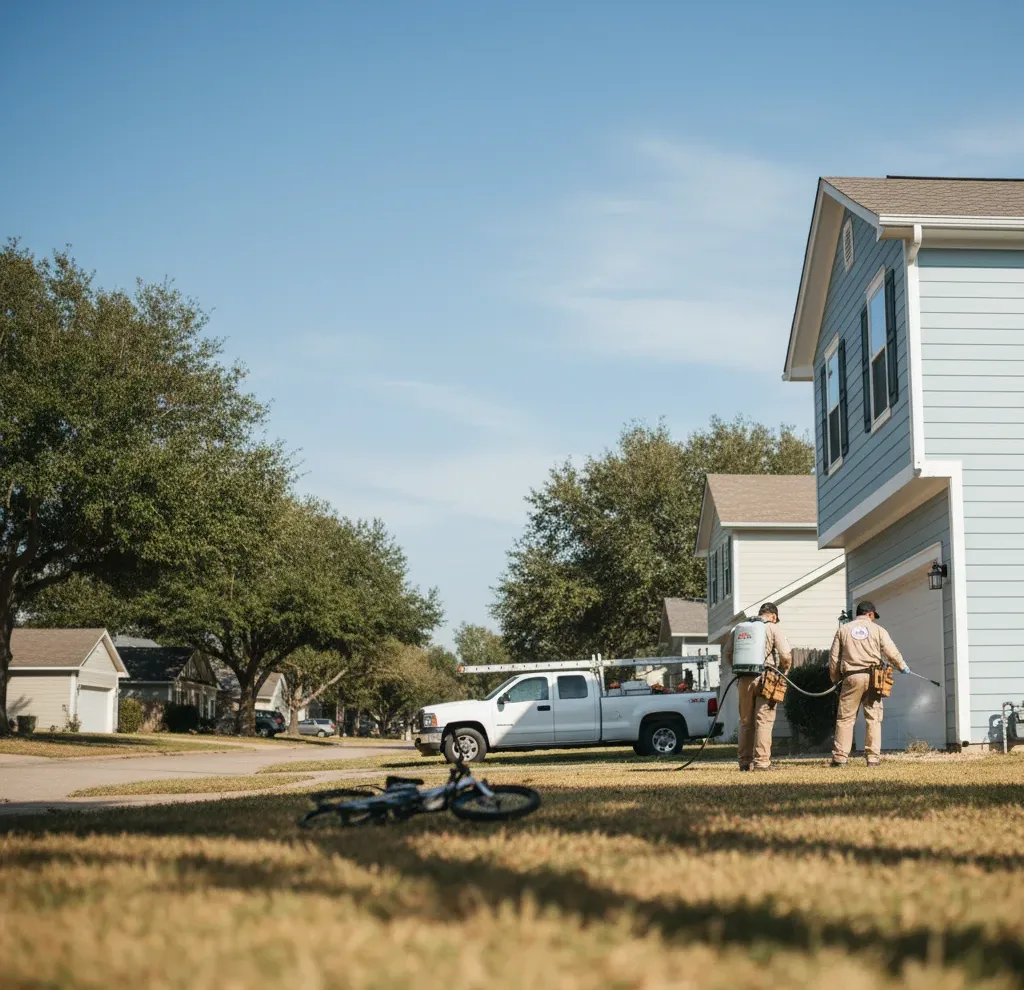
Many property owners assume mosquitoes show up wherever water sits for a few days, yet the reality involves specific conditions such as shaded containers, clogged drainage areas, and certain plant cavities that retain moisture longer than expected. A thorough inspection checks gutters, birdbaths, tarps, and low spots in landscaping where eggs can remain viable even after surface water evaporates. Technicians also examine nearby vegetation that holds small amounts of water in leaf axils or tree holes, locations often overlooked during casual property walks much like spider control checks. Correcting these sites reduces the local population more effectively than treating adult mosquitoes after they have already emerged.
Homeowners sometimes notice increased activity after recent rain or irrigation changes, but the larvae stage requires several days to reach adulthood, allowing time for targeted intervention before numbers grow. Understanding these patterns explains why scattered sprays provide only temporary relief while source elimination produces longer intervals between sightings.
Property owners can observe clusters of small, dark insects near certain corners of a yard or around specific fixtures during warmer parts of the day. Checking for wriggling larvae in any standing water with a flashlight often confirms breeding before adults become numerous, a step also key in ant control. Areas with poor drainage after watering or rainfall tend to support more activity than open sunny spots, and discarded items that collect water even in small amounts frequently serve as overlooked sources. Not every puddle supports development, however, because some dry too quickly or lack the organic matter larvae require. Recording which locations show repeated presence helps focus efforts on the few spots that matter most rather than treating the entire yard uniformly.
FAQ

Larger structures, difficult access points, and the need for multiple product types all affect the total. The inspection identifies these factors before any work begins so the owner can decide how much to address at once.
Removing food sources and clearing clutter reduces available shelter and can slow activity. However, locating the actual entry points and confirming the species usually requires tools and experience that are not part of a standard household routine.
A technician walks the full interior and checks adjacent spaces that share walls or utility lines. Evidence such as droppings or rub marks often appears beyond the original report. Mapping these points shows whether the issue is contained or has spread.